In Memoriam – Dr Vasko Sazdovski
IN MEMORIAM
Dr. Vasko Sazdovski
Biography

We keep the memory of our colleague Vasko, a distinguished scientist from North Macedonia, who lost his life on November 1, 2024, when the canopy of the Novi Sad railway station collapsed.
Dr. Vasko Sazdovski (1979, Veles, North Macedonia – 2024, Novi Sad, Serbia) was a prominent scientist and lecturer in the field of robotics and autonomous systems. During his work at the Center for Sensing Technologies of the BioSense Institute, and previously at the Dresden University of Technology and the University of Zagreb, he conducted groundbreaking research in robotics, focusing on modeling spatial and temporal dynamics in biosystems – particularly in 4D mapping, digital twins, and dynamic model data fusion. He earned his PhD from Cranfield University in the United Kingdom, following a master’s degree in electrical engineering from Ss. Cyril and Methodius University, and an undergraduate degree in aeronautics from the Military Academy in North Macedonia.
Vasko was a deeply dedicated researcher – an expert with extensive knowledge and experience, who combined the precision of an engineer with the curiosity of a scientist. His contribution to the BioSense Institute is invaluable, and his passing is a profound loss for the entire scientific community.
With deep respect and gratitude, we cherish the memory of Vasko — as a colleague, collaborator, and friend.
Selected publications
Journal papers
- Sikoparija, B., Birgermajer, S., Ivosevic, B., Sazdovski, V., Ørby, P. V., Kloster, M., & Gosewinkel, U. (2025). Airborne Hirst volumetric sampling gives an insight into atmospheric dispersion of pollen and fungal spores. Atmosphere, 16(9), 1060. DOI
- Koceska, N., Koceski, S., Sazdovski, V., & Ciambrone, D. (2017). Robotic assistant for elderly care – Development and evaluation. International Journal of Automation Technology, 11(3), 425–432. DOI
- Sazdovski, V., Kitanov, A., & Petrovic, I. (2015). Implicit observation model for vision aided inertial navigation of aerial vehicles using single camera vector observations. Aerospace Science and Technology, 40, 33–46. DOI
Conference papers
- Tanasković, N., Lazarević, M., Krklješ, D., Sazdovski, V., & Kitić, G. (2024). Kinematic modeling of a compliant and extensible robotic manipulator. In Proceedings of the 2024 11th International Conference on Electrical, Electronic and Computing Engineering (IcETRAN 2024). DOI
- Liu, B., Sazdovski, V., & Janschek, K. (2022). Relative flash LiDAR aided-inertial navigation using surfel grid maps. In IEEE Aerospace Conference Proceedings (2022 March). DOI
- Sazdovski, V., & Silson, P. M. G. (2011). Inertial navigation aided by vision-based simultaneous localization and mapping. IEEE Sensors Journal, 11(8), 1646–1656. DOI: DOI
- Sazdovski, V., Stankovski, M., Gugulovska, T. K., & Deskovski, S. (2011). One approach to the integration of low-cost inertial sensors and global positioning system for mobile robots. IFAC Proceedings Volumes (IFAC-PapersOnline), 44(1 Part 1), 10746–10751. DOI
- Silson, P. M. G., & Sazdovski, V. (2011). INS velocity aiding using bearing-only measurements of unknown landmarks. In AIAA Infotech at Aerospace Conference and Exhibit 2011. SCOPUS
- Sazdovski, V., Silson, P. M. G., & Tsourdos, A. (2010). Attitude determination from single camera vector observations. In Proceedings of the 2010 IEEE International Conference on Intelligent Systems (IS 2010) (pp. 49–54). DOI
- Sazdovski, V., Silson, P. M. G., & Tsourdos, A. (2010). Inertial navigation aided by simultaneous localization and mapping. In Proceedings of the 2010 IEEE International Conference on Intelligent Systems (IS 2010) (pp. 43–48). DOI
- Aouf, N., Sazdovski, V., Tsourdos, A., & White, B. A. (2007). Low altitude airborne SLAM with INS aided vision system. In Collection of Technical Papers – AIAA Guidance, Navigation, and Control Conference 2007 (Vol. 5, pp. 4482–4492). SCOPUS
- Sazdovski, V., Kolemishevska-Gugulovska, T., & Stankovski, M. (2005). Kalman filter implementation for unmanned aerial vehicles navigation developed within a graduate course. IFAC Proceedings Volumes (IFAC-PapersOnline), 16, 12–17. DOI
Book chapter
- Deskovski, S., Sazdovski, V., & Gacovski, Z. (2016). Guidance laws and navigation systems for quadrotor UAV: Theoretical and practical findings. In Studies in Systems, Decision and Control (Vol. 55, pp. 395–407). DOI
PhD Thesis
- Inertial navigation aided by simultaneous localization and mapping, 2012, Centre for Autonomous Systems, Cranfield University United Kingdom.
Photo gallery


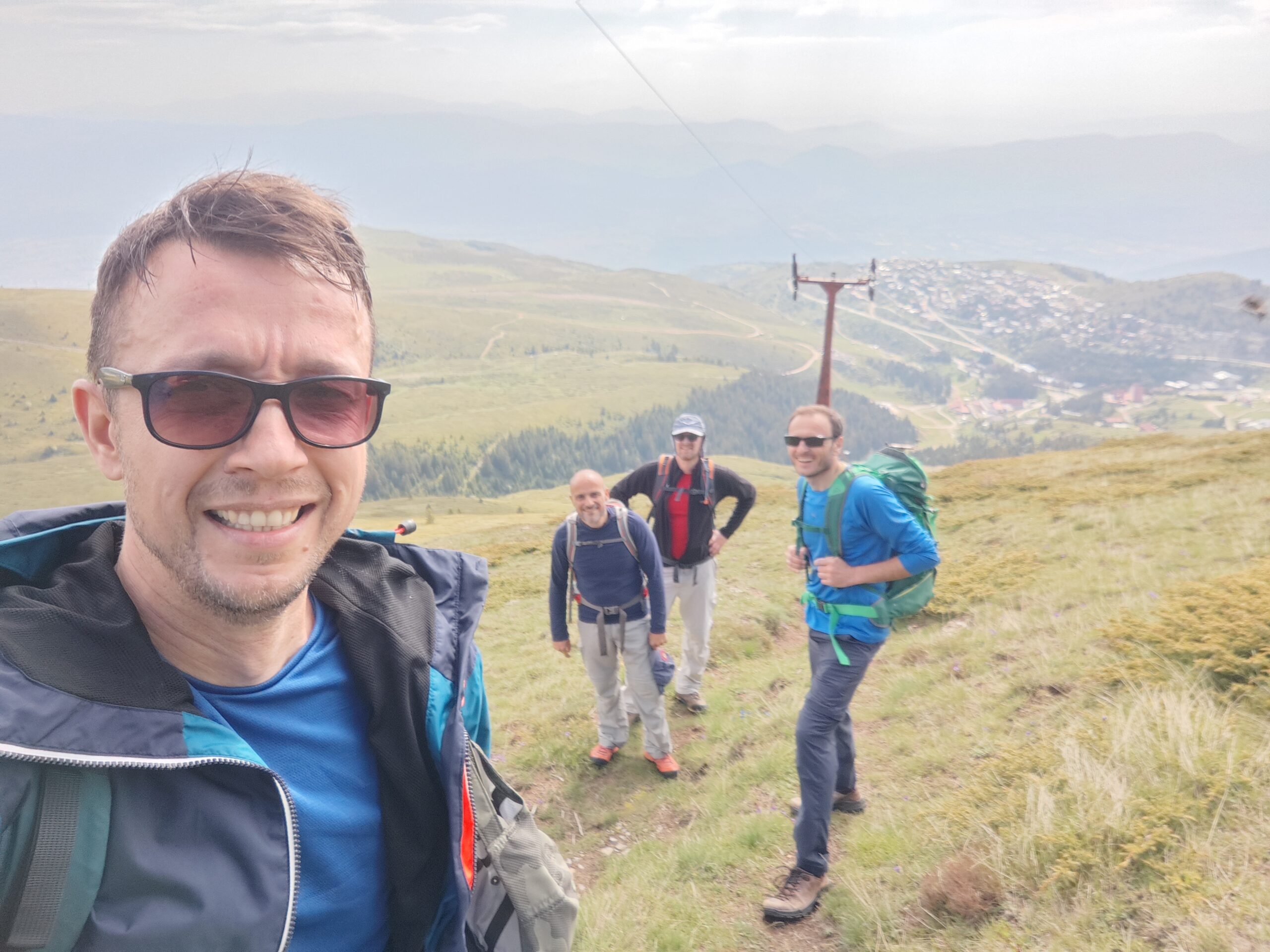
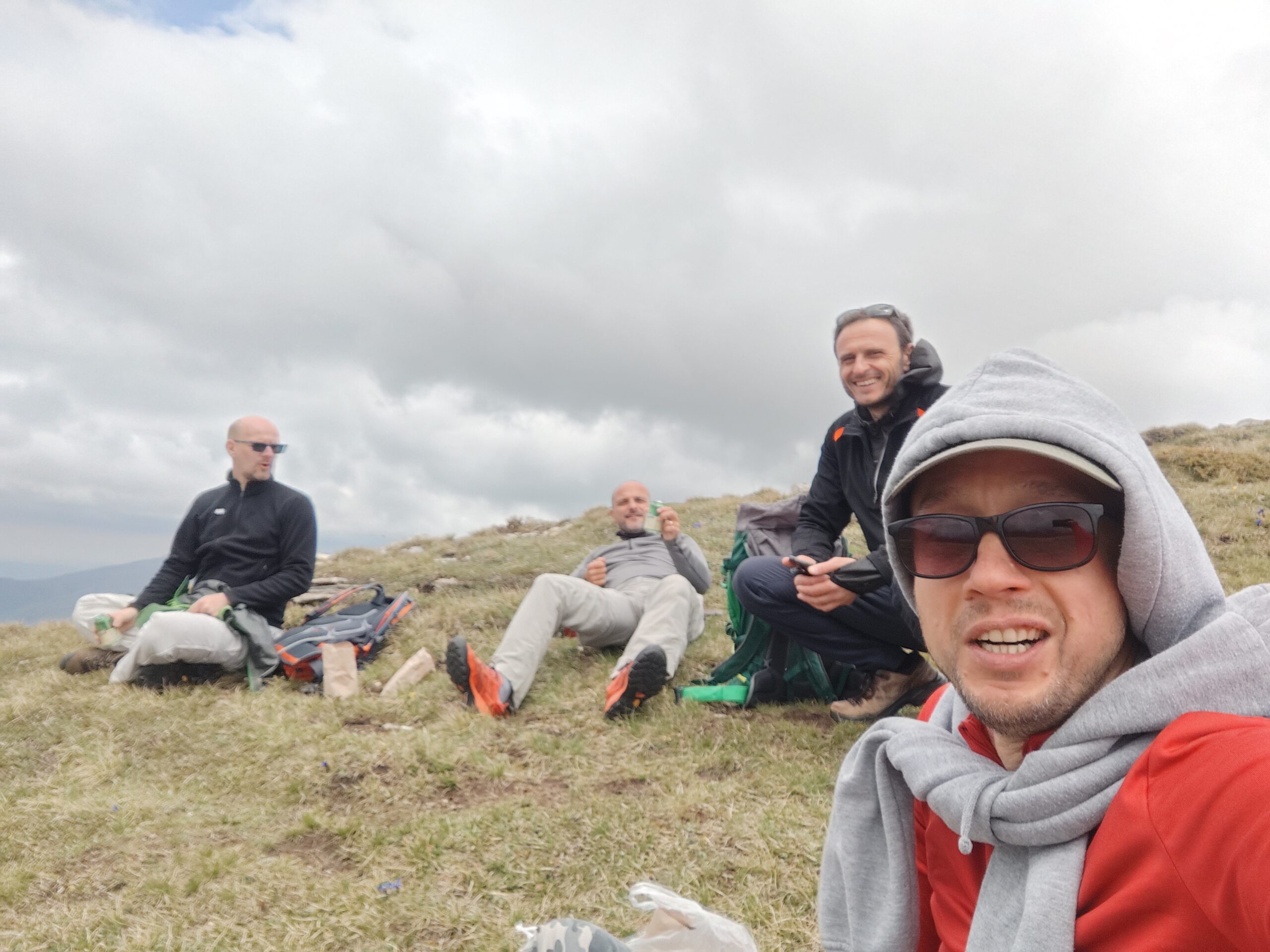
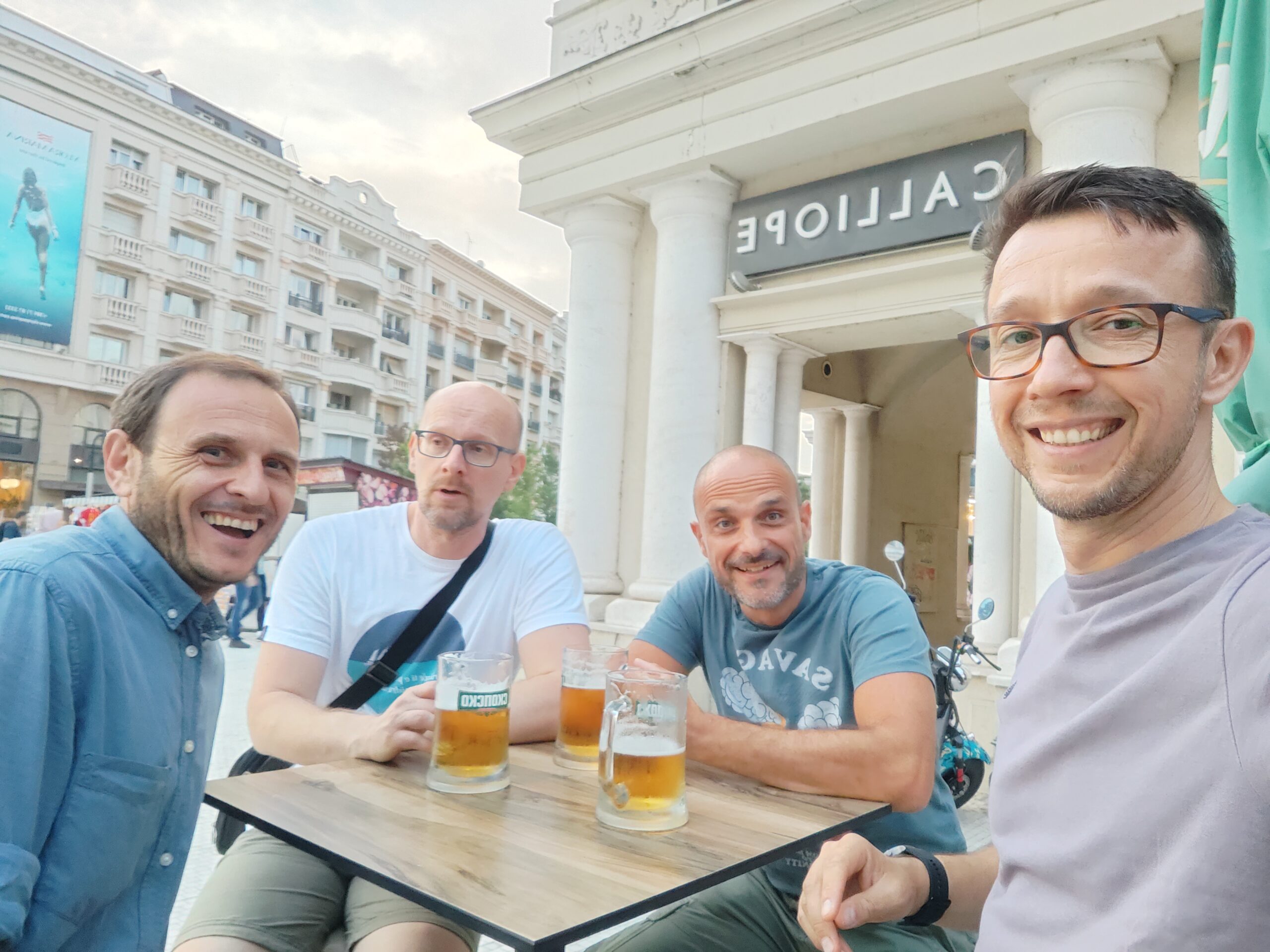
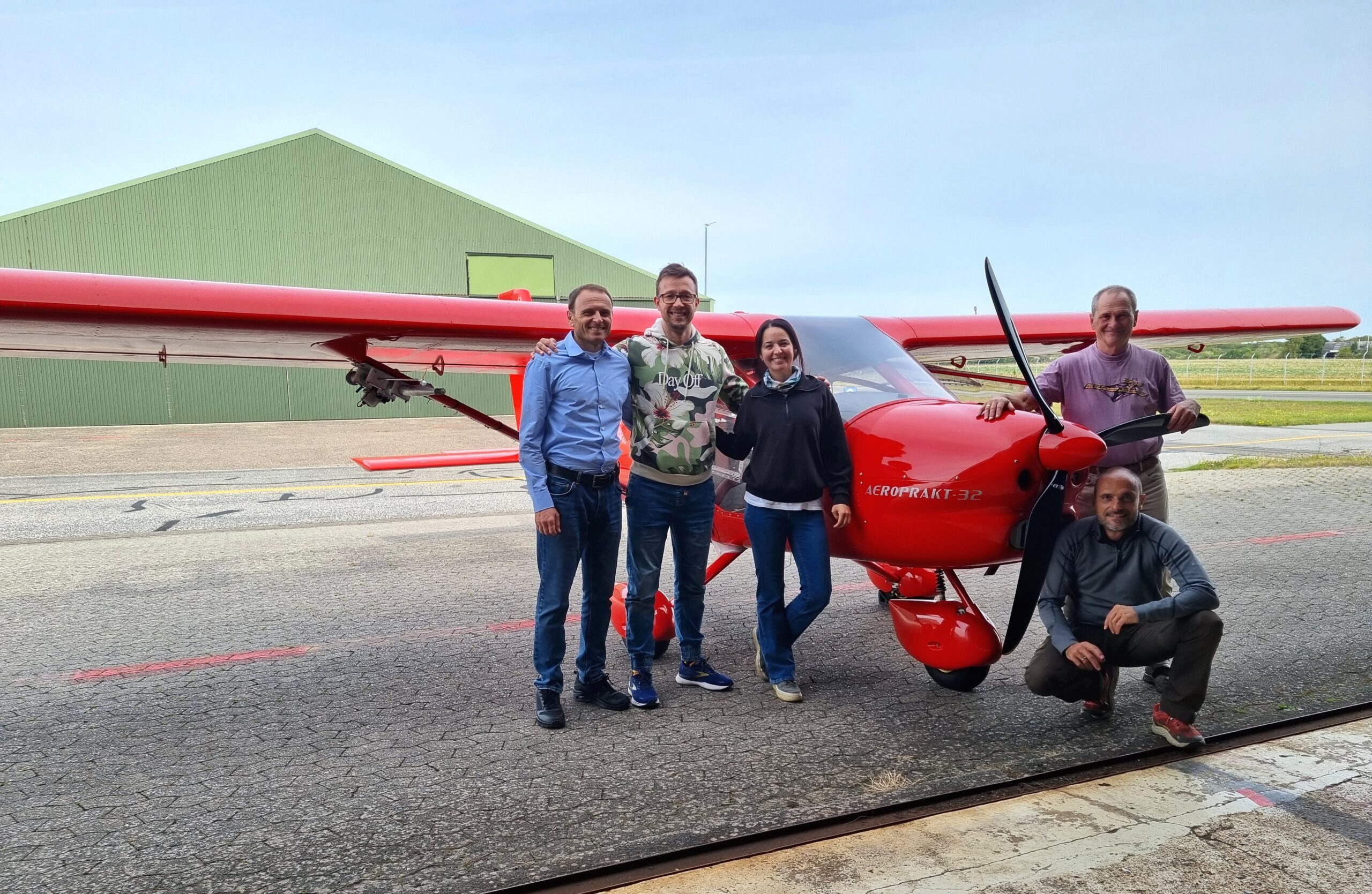
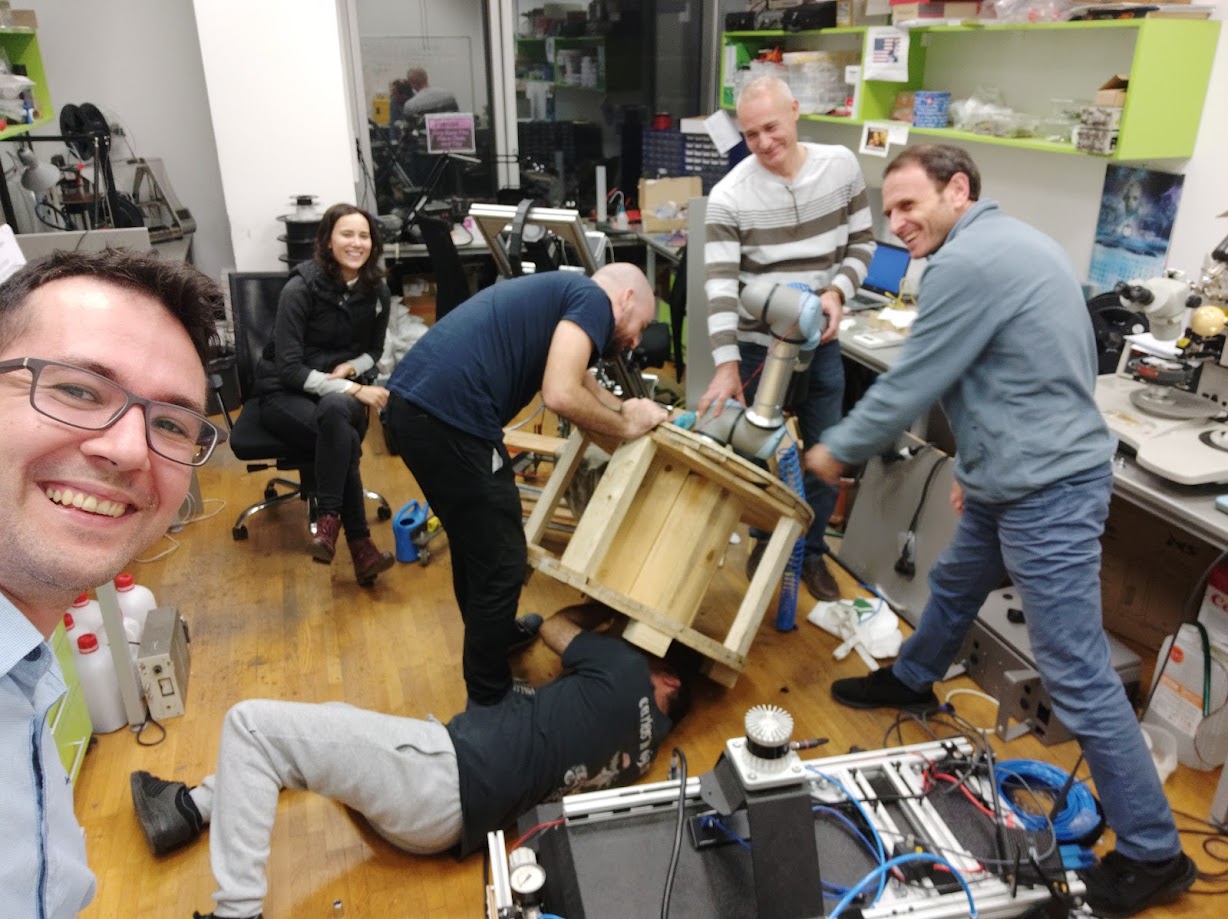
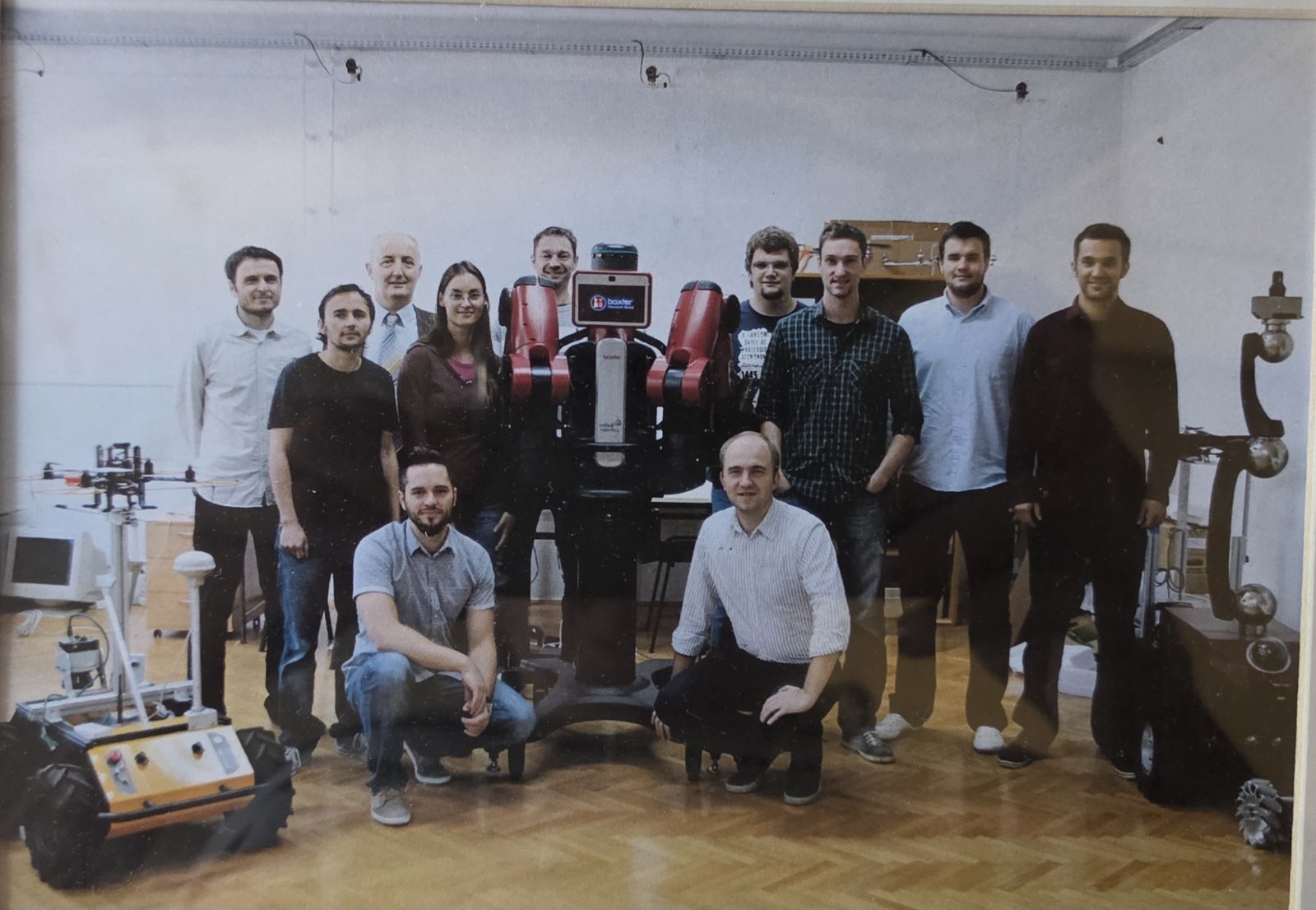
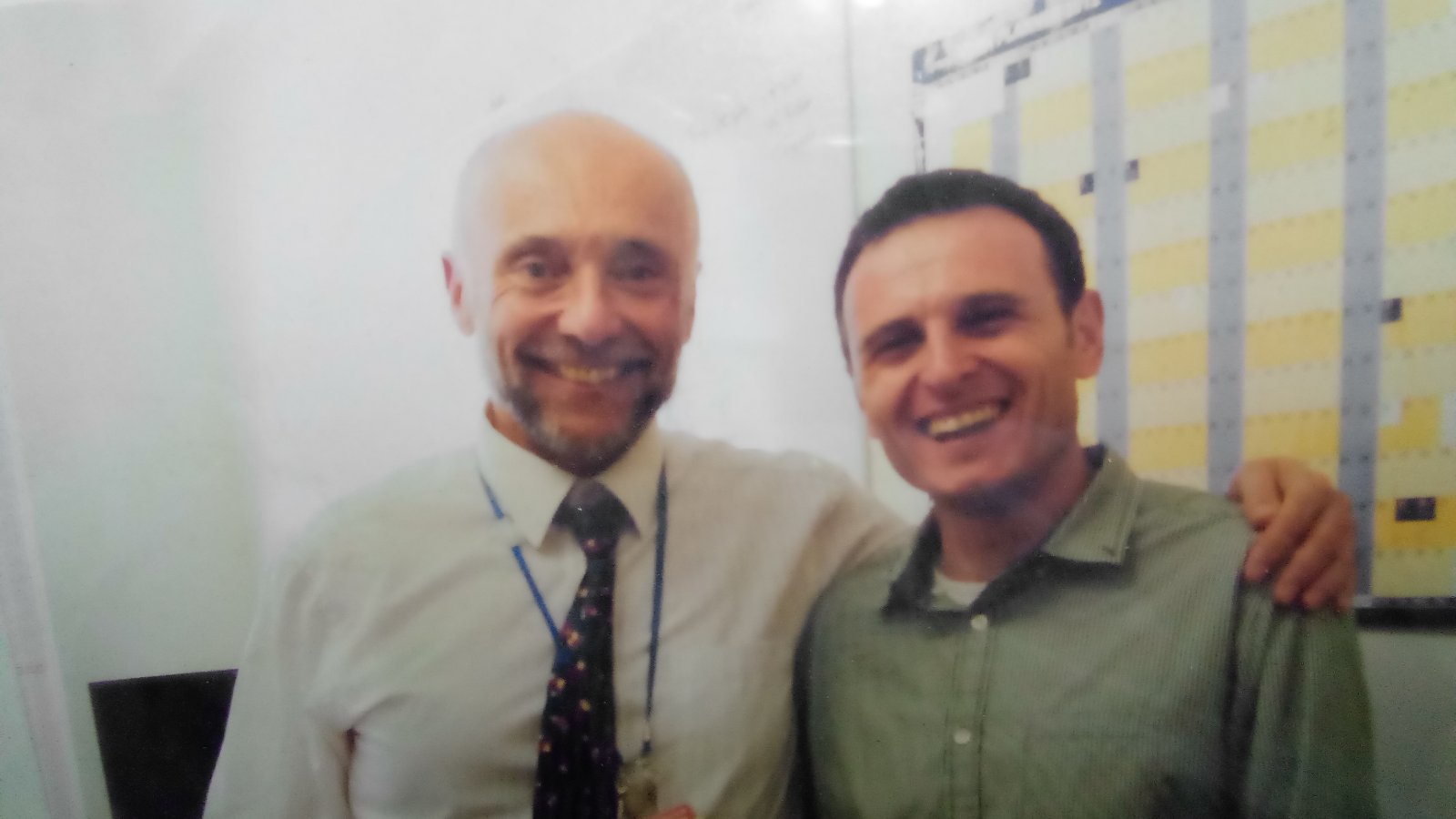
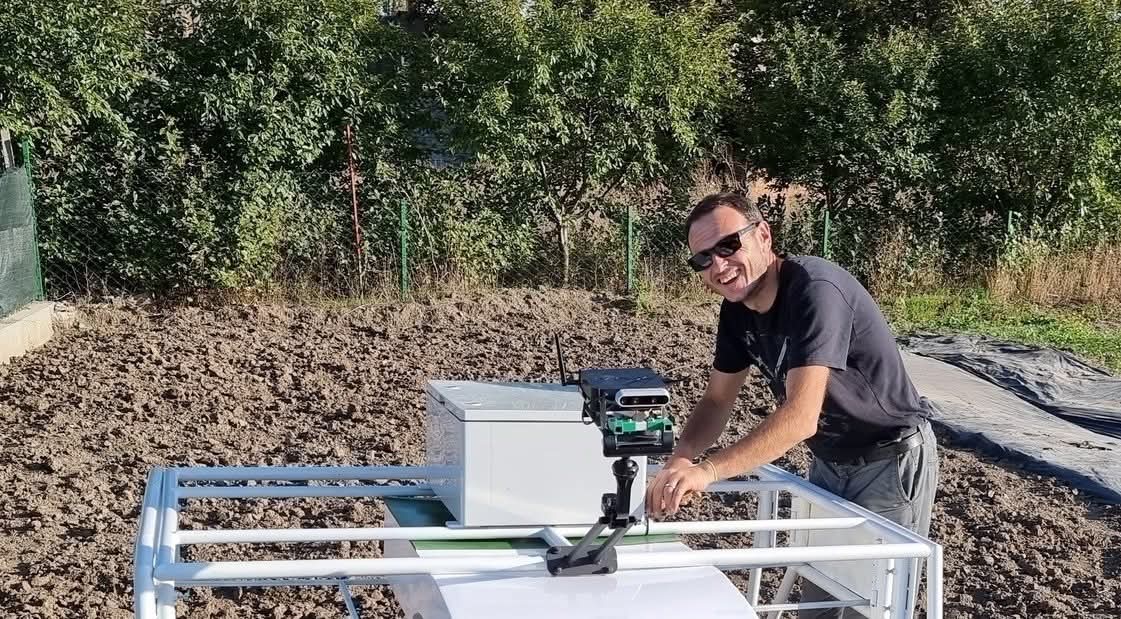


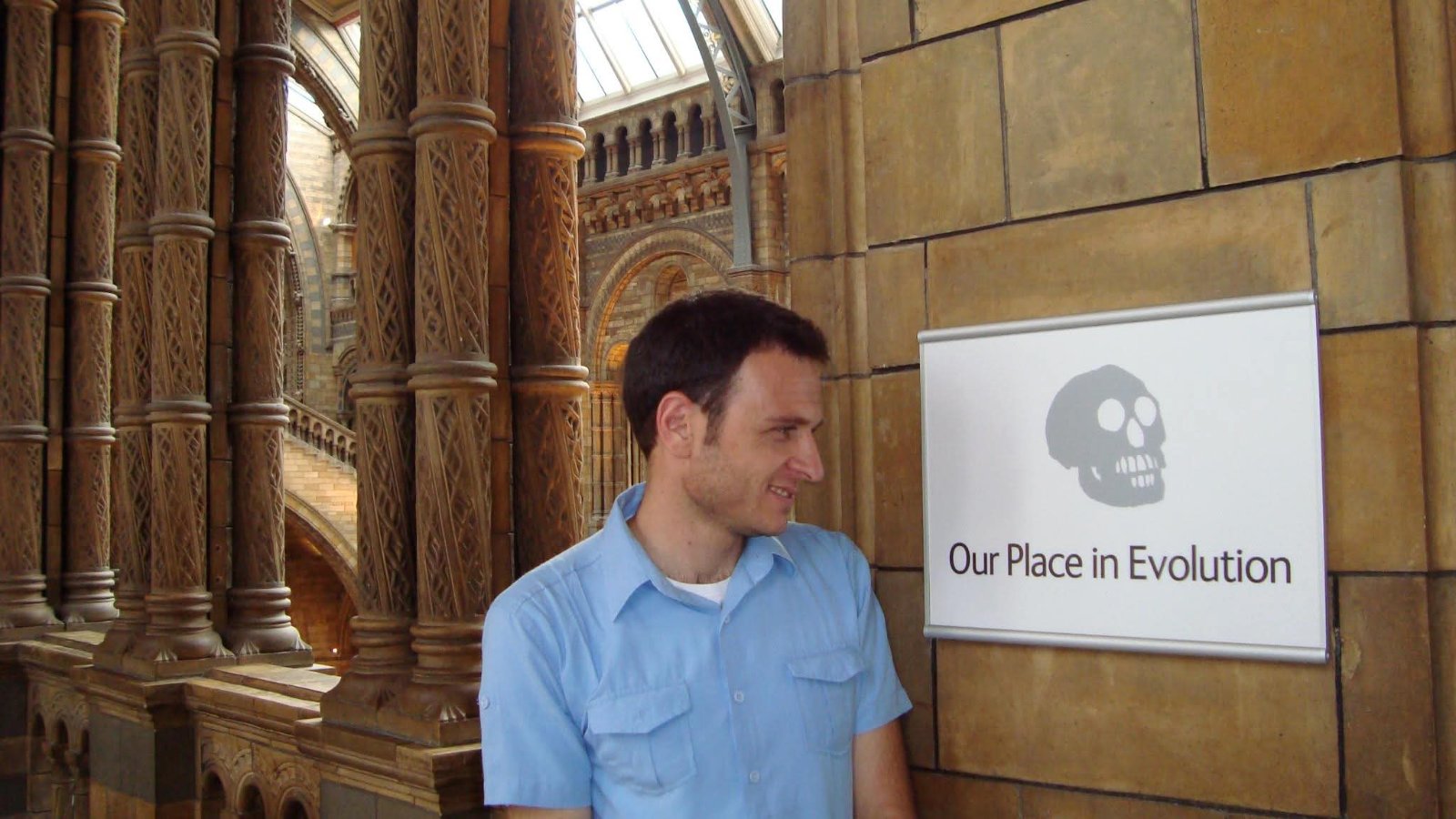
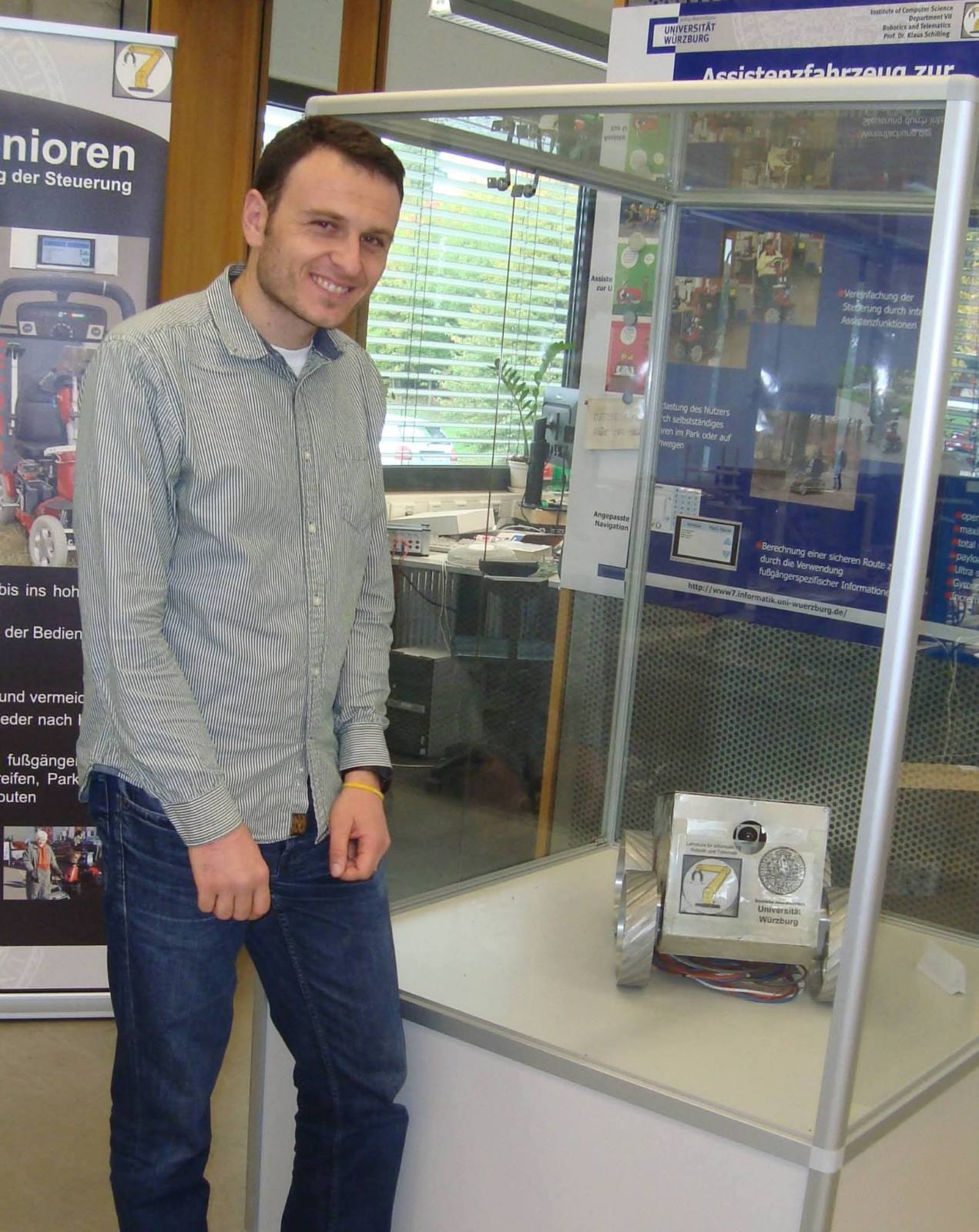
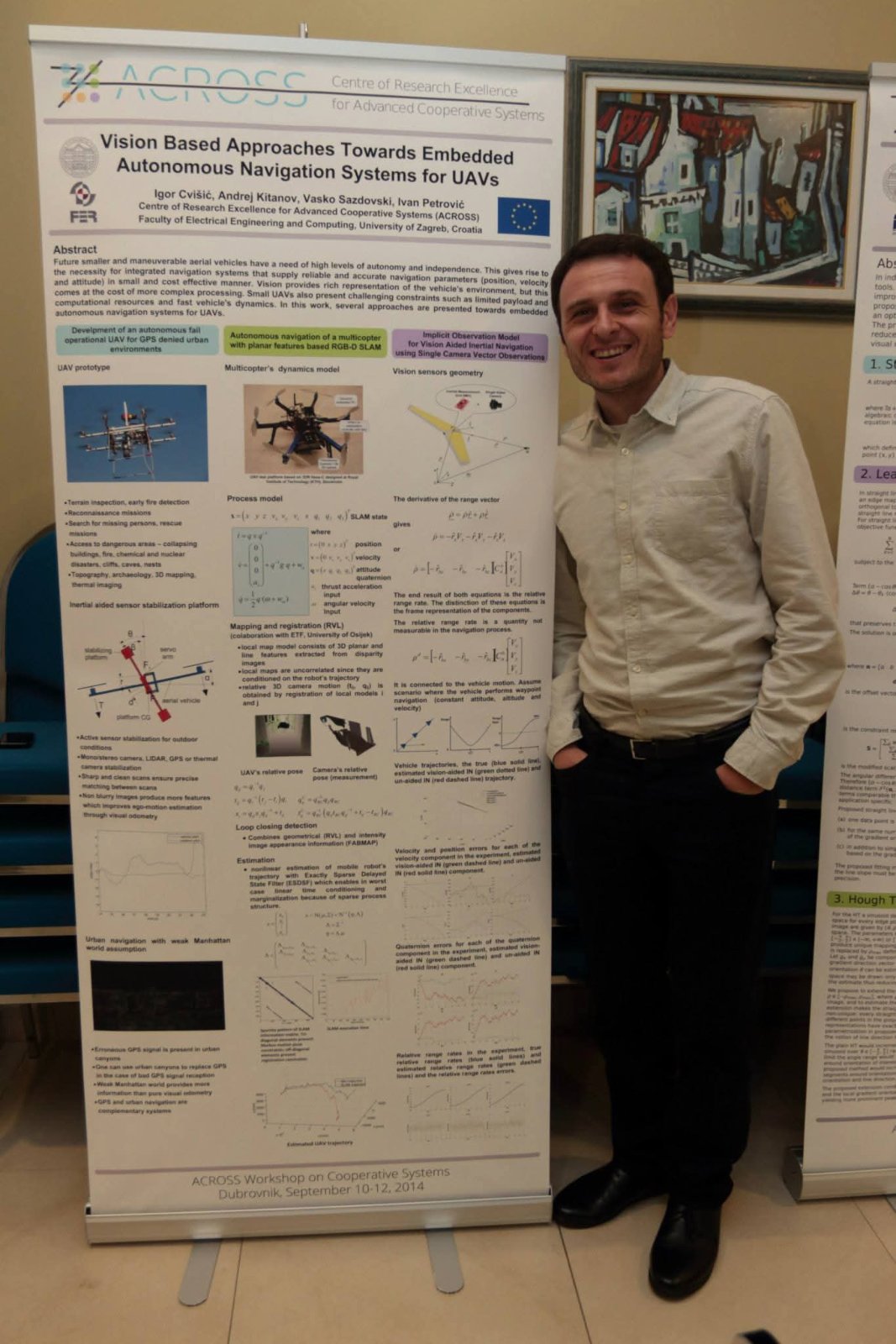
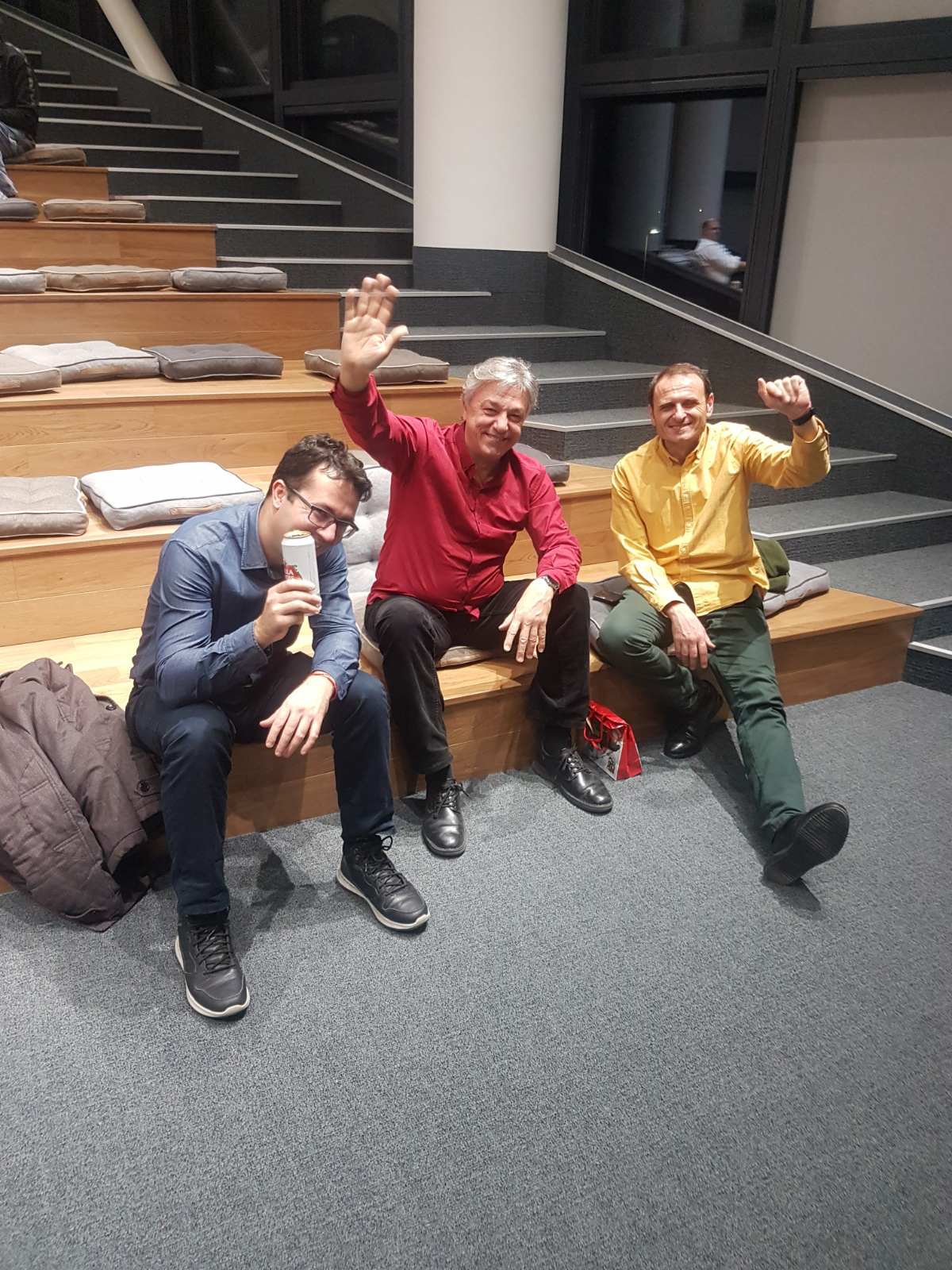

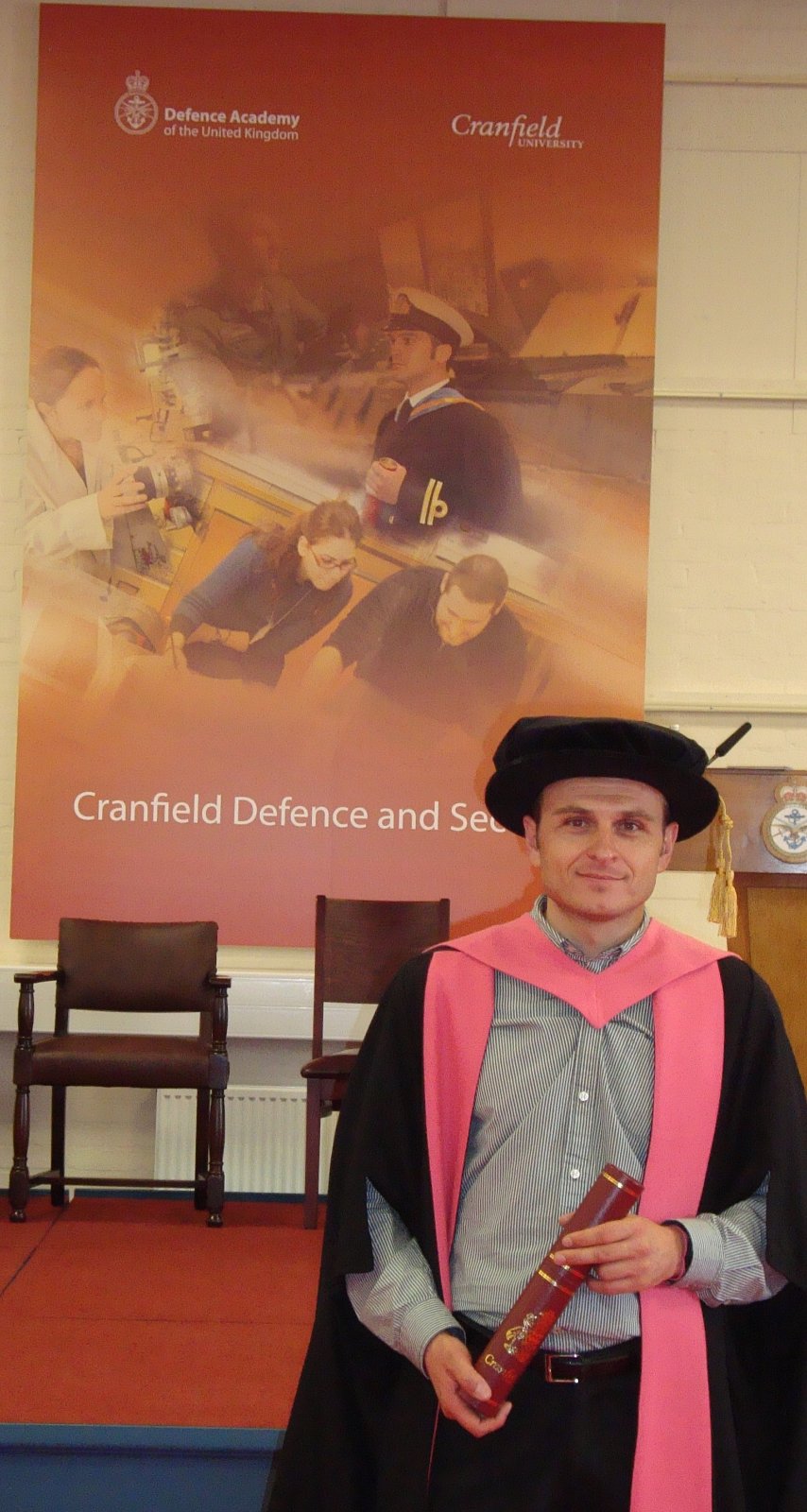
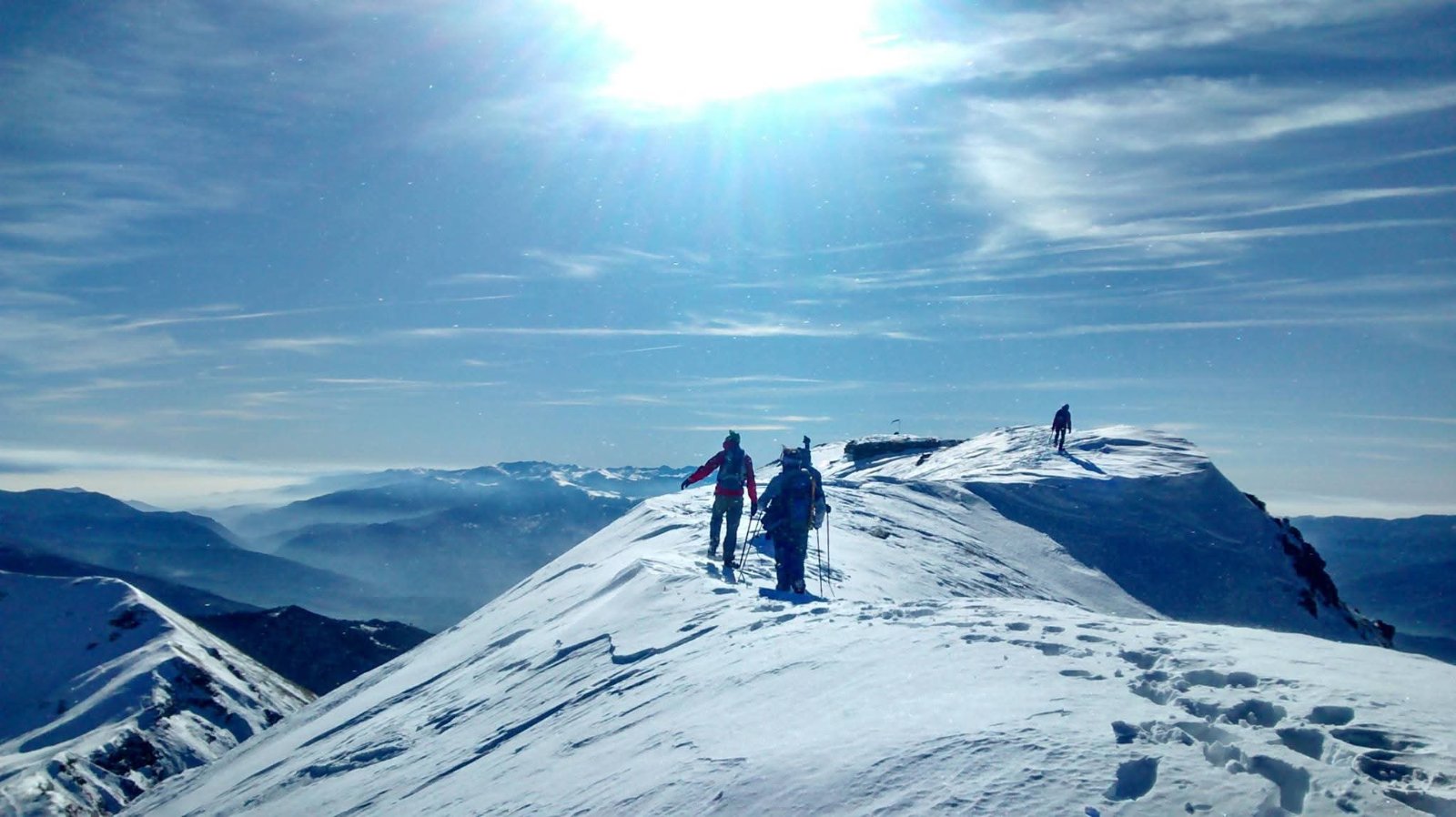
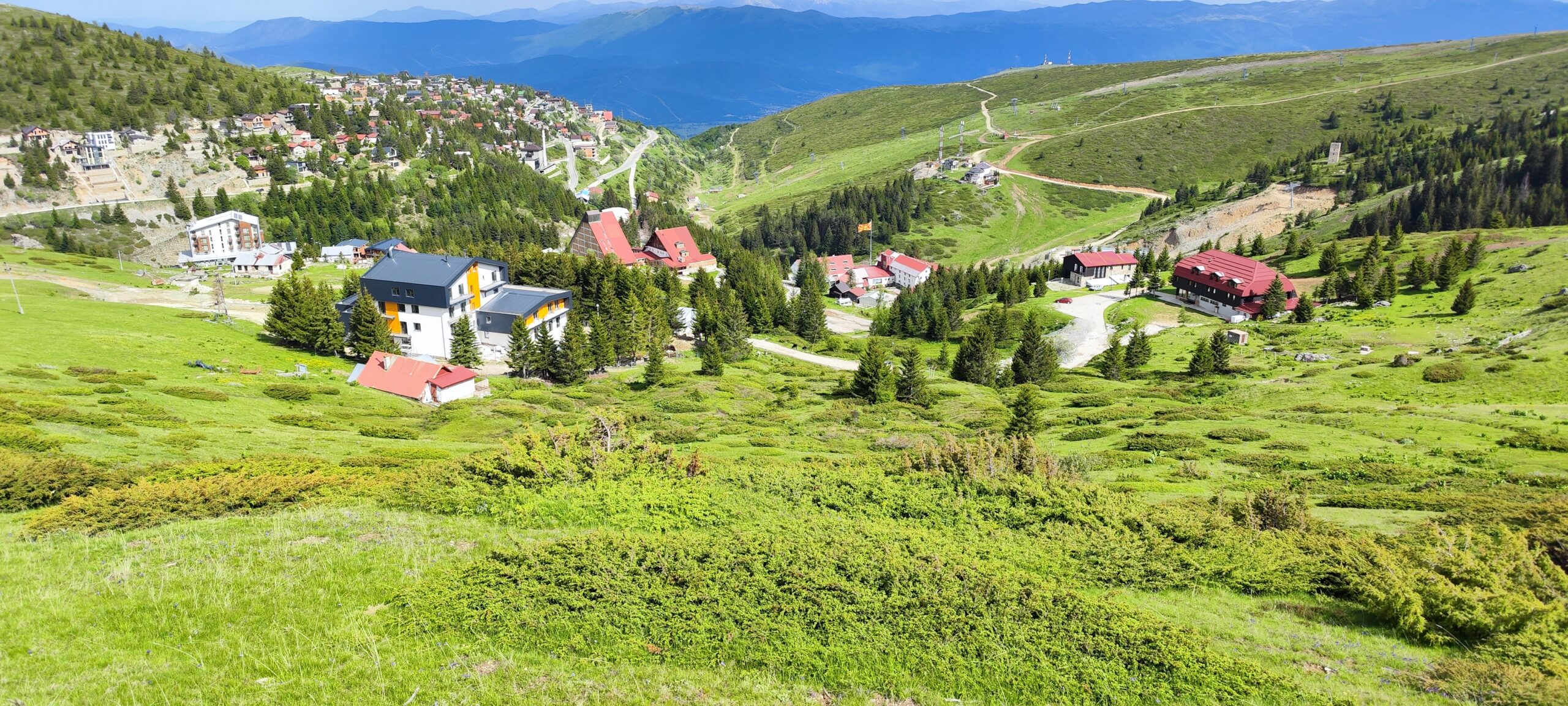
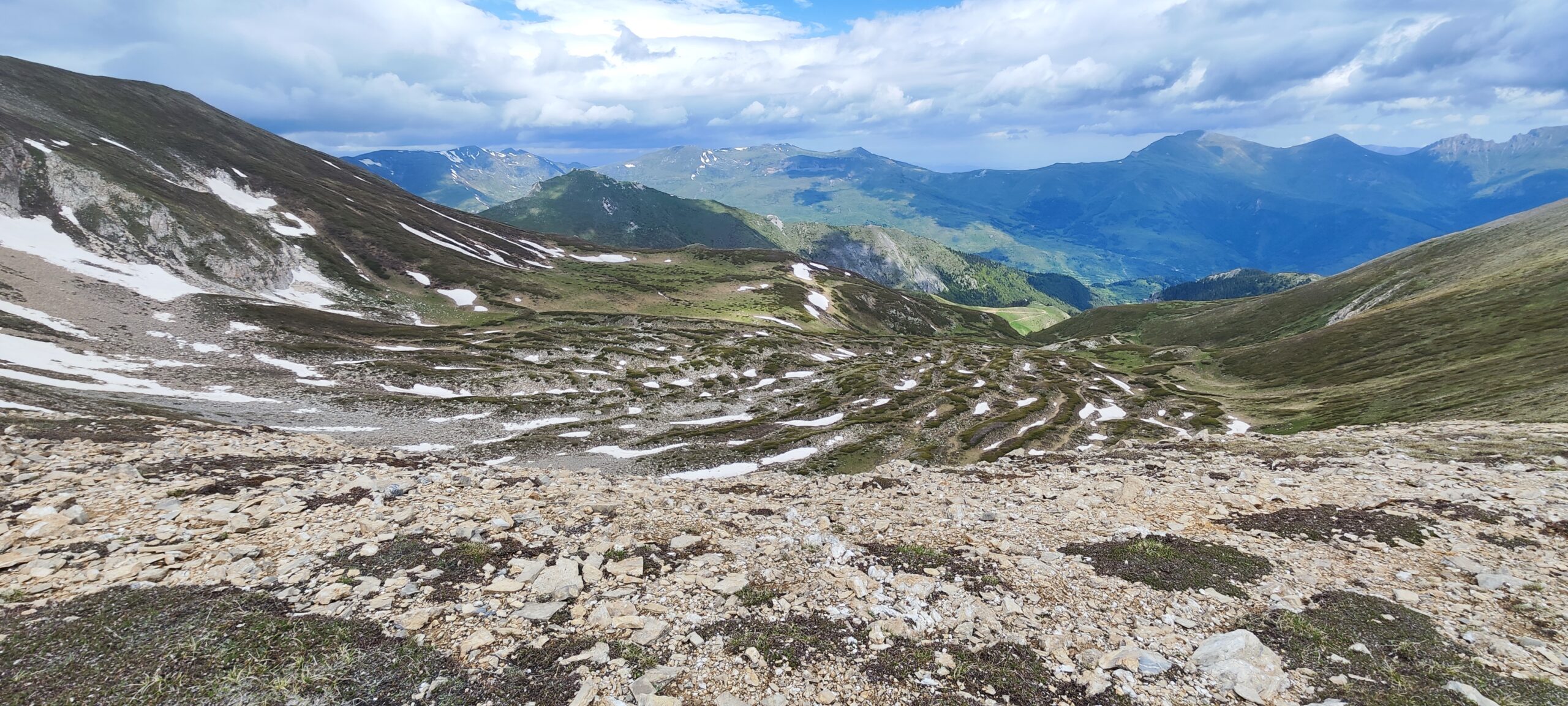
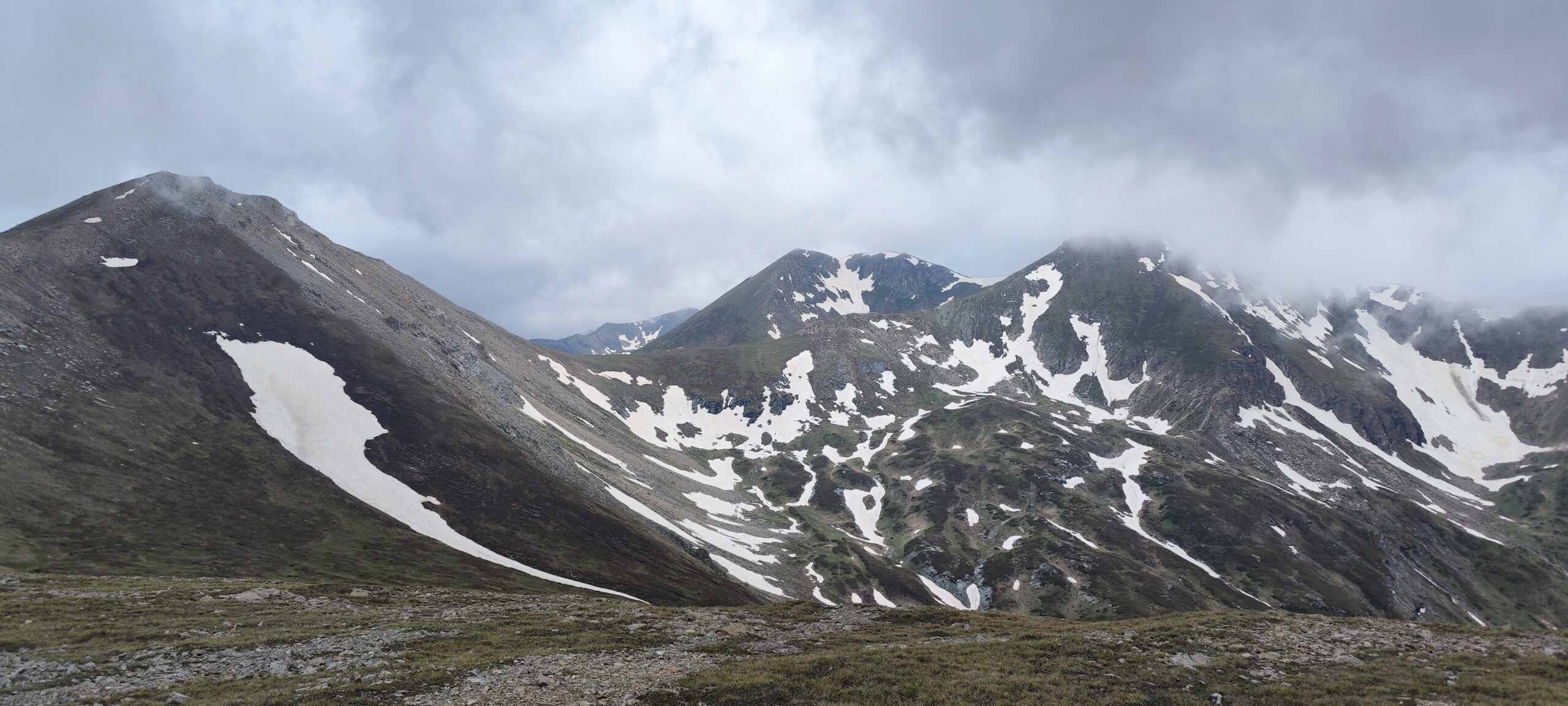
About amphitheatre
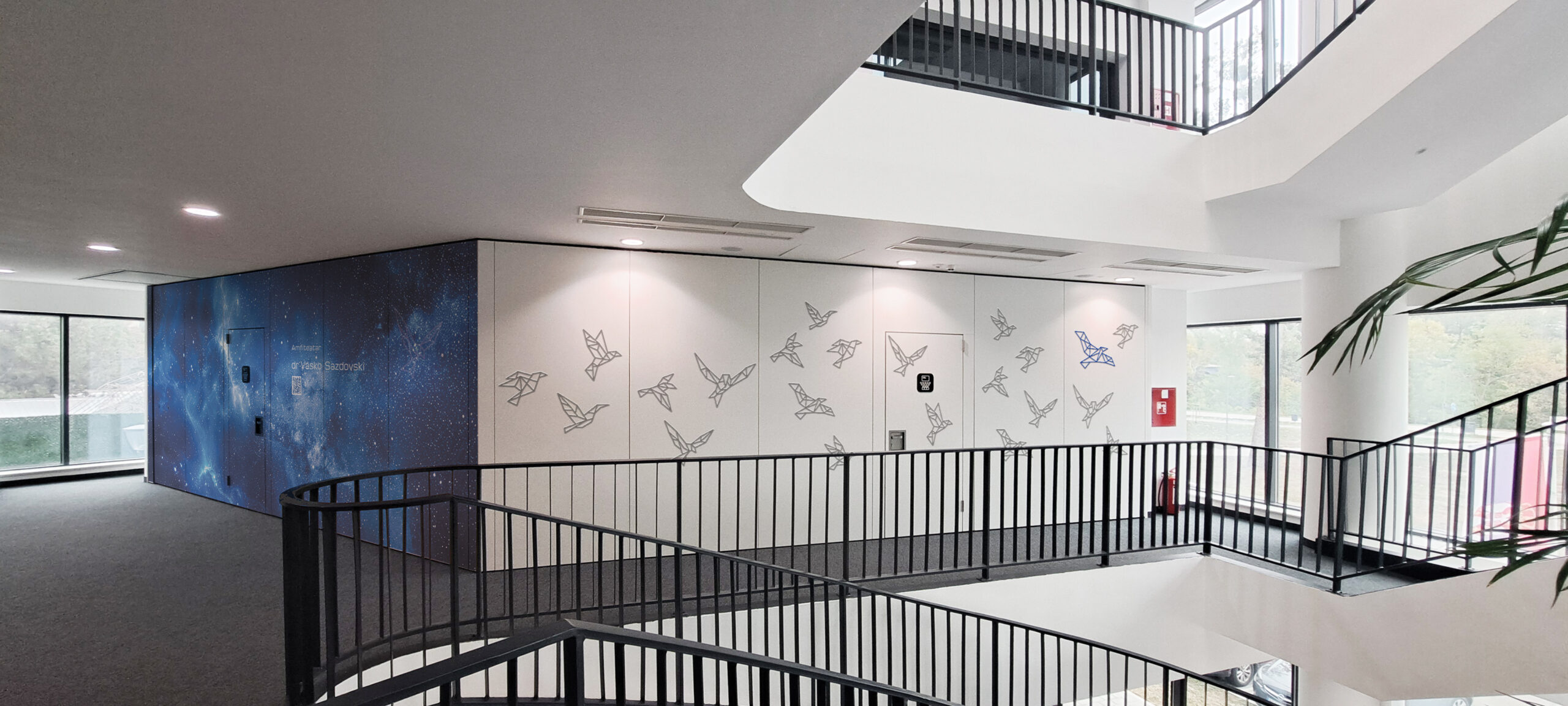
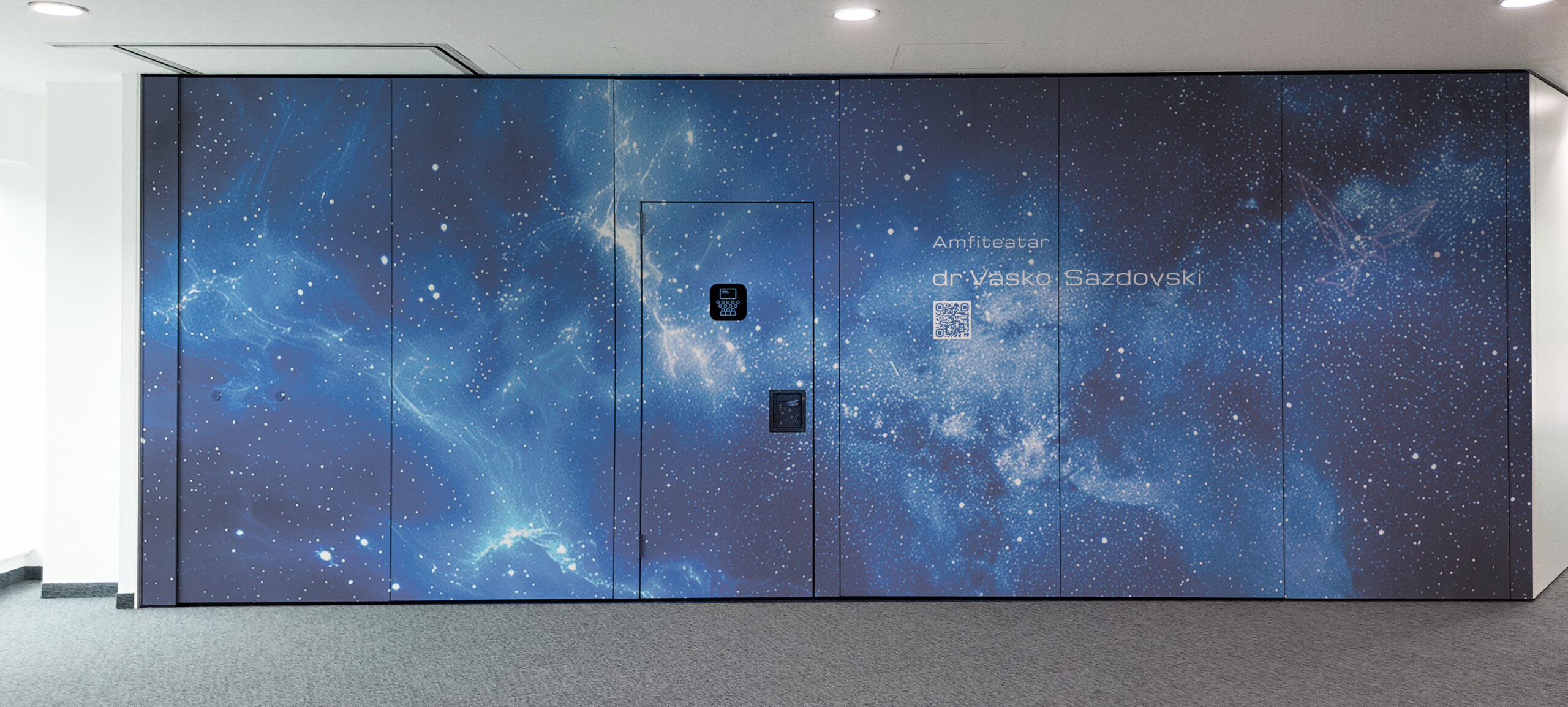
The visual design of the amphitheater was proposed by academic artist Svetlana Milić, M.A., who provides the following explanation of her work:
Dr Vasko Sazdovski (1979–2024) was employed at the BioSense Institute, in the Center for Sensor Technologies, as a Senior Researcher within the ANTARES project.
The visual design of the amphitheater is dedicated to the memory of a scientist, a visionary, and a man whose contribution left a profound mark on the scientific community of the BioSense Institute. His commitment to research, as well as his human warmth, were equally inspiring. As one of the key members of the ANTARES project, Dr Sazdovski used his knowledge and creativity to connect the worlds of technology and nature, exploring the possibilities of robotics in agriculture. His scientific thought and energy were like a star – a point of light in the vast space of human collective creativity and intellect, directed toward discovering new possibilities for both people and the planet.
The left side of the amphitheater’s wall panel presents the Milky Way – a cosmos illuminated by the star Antares, symbolising his creative spirit and inner light. The geometric structure marking the space of his life and work represents a map of a unique mind, a space that still carries his ideas. The right side of the amphitheater’s wall continues this cosmic idea – where stars transform into a flock of birds, symbolising the materialisation of his contribution. The birds are graphically depicted as robots, a reminder of his dedication to robotics. They are shown in a unified color palette, except for one, which is deep blue – the color of the Milky Way. This spectrum of flying birds symbolises his scientific journey, where ideas stay alive and continue to move forward with courage. The bird, captured in its flight, transforms through shades and structure, ultimately leaving the space entirely – as a symbol of the endurance of thought that transcends the boundaries of time and matter. This way, the visual space becomes a kind of map of a life – a flight of thought of a man who, like a bird, soared beyond the limits of the possible.
The amphitheater’s wall dedicated to Dr Vasko Sazdovski is not only a memorial but also a symbol of lasting inspiration – a place where science meets art, and where man meets the stars.